


Projects (A-Z)
Brands (A-Z)
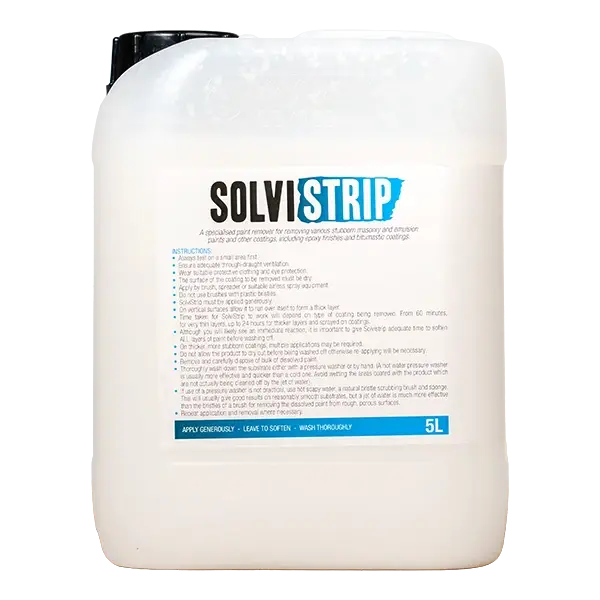
Solvistrip
A heavy duty solvent-based paint stripper designed to remove stubborn paints, coatings, varnishes and epoxy finishes from masonry and timber surfaces.
Features
- Solvent-based gel formula provides extended working time for removing stubborn paints and coatings
- Suitable for masonry and timber surfaces allowing use across multiple restoration projects
- Removes difficult coatings including epoxy finishes and masonry paints for heavy duty stripping tasks
- Generous application system helps prevent premature drying for improved stripping performance
- Can be removed with pressure washing or hot soapy water providing flexible removal methods
- Coverage of approximately 1m² per litre per application helps estimate product requirements more easily
Brand
Coverage
Up to 1 m2 per litre
No. of coats
1
Size
250ml
1L
5L
MPN
Please Select Size/Option
GTIN
Please Select Size/Option
Overview
Solvistrip is designed for renovation, restoration and maintenance projects where conventional paint removers may struggle. Its slow acting formulation works by penetrating existing coatings, softening them for easier removal whilst helping to reduce the need for aggressive scraping or mechanical removal methods.
Suitable for interior and exterior projects, Solvistrip can be used across a wide range of surfaces and is particularly useful when working with older coatings, multiple layers of paint or difficult to remove finishes.
Kling Strip is part of a complementary product range that includes specialist paint removers, surface neutralisers and covering films, providing everything needed to remove old coatings and prepare surfaces for their next finish.
Other Kling Strip Products
| Product | Use |
| Kling Strip Paint Remover | Use to remove paints, varnishes and other coatings from a variety of surfaces |
| Kling Strip Neutraliser N-20 | Use after paint stripping to neutralise the surface and prepare it for refinishing, painting or staining |
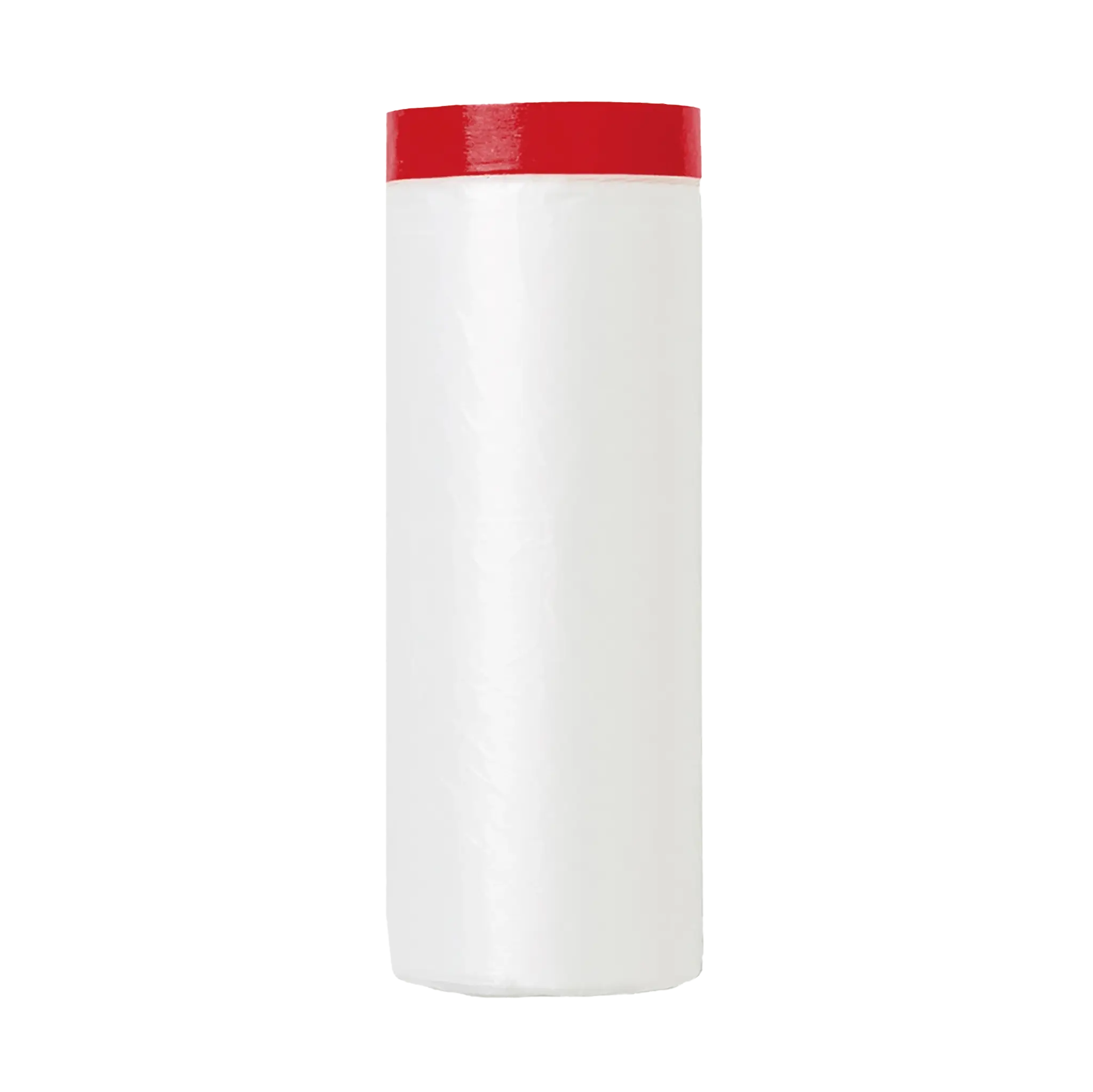
| Kling Strip Covering Film | Apply over wet paint remover to slow evaporation, extend dwell times and improve stripping performance on larger areas |
Customers Also Bought
Preparation
Preparation
Back
Correct preparation helps improve stripping performance and reduce unnecessary reapplication. Before starting, ensure surfaces, surrounding areas and working conditions are suitable for safe and effective use.
- Ensure surfaces are dry before application begins as moisture can affect stripping performance
- Remove loose dirt, dust, contamination and poorly adhered material to allow better contact with existing coatings
- Plan a suitable removal method before starting as stripped coatings may require pressure washing, scrubbing or multiple applications
- Ensure adequate through draught ventilation is available particularly when working indoors or in enclosed spaces
- Protect surrounding surfaces, fixtures and fittings before starting paying particular attention to plastics and sensitive materials
- Consider drainage, runoff and waste collection before starting particularly when pressure washing will be used for removal
Application
Application
Back
Always carry out a small test area before starting any project to confirm compatibility, determine dwell times and assess the number of applications required.
- Apply generously using a brush, spreader or suitable airless spray equipment ensuring a thick, even coating is maintained
- Do not use brushes with plastic bristles as solvents may damage the brush during application
- Apply heavily on vertical surfaces allowing the product to run over itself to maintain a sufficient film thickness
- Allow the product sufficient time to work with dwell times varying from around 60 minutes for thinner coatings up to 24 hours for thicker or more stubborn finishes
- Do not allow the product to dry out during use as reapplication may be required before removal can continue
- Remove dissolved coatings using hot water pressure washing where possible or use hot soapy water with scrubbing brushes where pressure washing is not practical
- Repeat the process where necessary as multiple applications may be required on thicker or more difficult coatings
Always replace the lid after decanting product and ensure adequate ventilation is maintained throughout application and removal.
Finishing
Finishing
Back
Once stripping is complete, ensure all dissolved coatings, residues and contaminants have been fully removed before carrying out any further treatment, decoration or refinishing.
- Allow surfaces to dry thoroughly before applying paints, stains, oils or protective coatings
- Inspect surfaces after cleaning as stubborn coatings or heavily built up finishes may require additional treatment
- Dispose of removed coatings, residues and contaminated waste materials responsibly in accordance with local regulations
- Clean tools and equipment immediately after use to reduce build up and contamination
F.A.Q.
F.A.Q.
Back
What can Solvistrip be used to remove?
Solvistrip is designed to remove stubborn paints, coatings, varnishes and epoxy finishes from a range of masonry and timber surfaces. Multiple applications may be required for thicker or more difficult coatings.
Can Solvistrip be used indoors?
Yes, but only where adequate through draught ventilation is available. Solvistrip is solvent based and should not be used in confined or poorly ventilated spaces.
How long should Solvistrip be left before removal?
Dwell times vary depending on the coating being removed. Thin coatings may require around 60 minutes, whilst thicker or more stubborn finishes may require significantly longer.
Can Solvistrip be used on vertical surfaces?
Yes. When applying to vertical surfaces, apply generously and allow the product to run over itself to maintain sufficient thickness and prevent premature drying.
Do I need to use a pressure washer to remove Solvistrip?
Hot water pressure washing generally provides the quickest and most effective removal method, however hot soapy water and scrubbing brushes may also be suitable where pressure washing is not practical.
Can Solvistrip damage plastics?
Yes. Some plastics and sensitive materials may be affected by the product. Always protect surrounding surfaces and test a small area before starting.
Can Solvistrip be painted over immediately after use?
No. Ensure all residues have been removed and allow surfaces to fully dry before applying paints, stains or protective finishes.
Datasheets
Datasheets
Back