


Projects (A-Z)
Brands (A-Z)
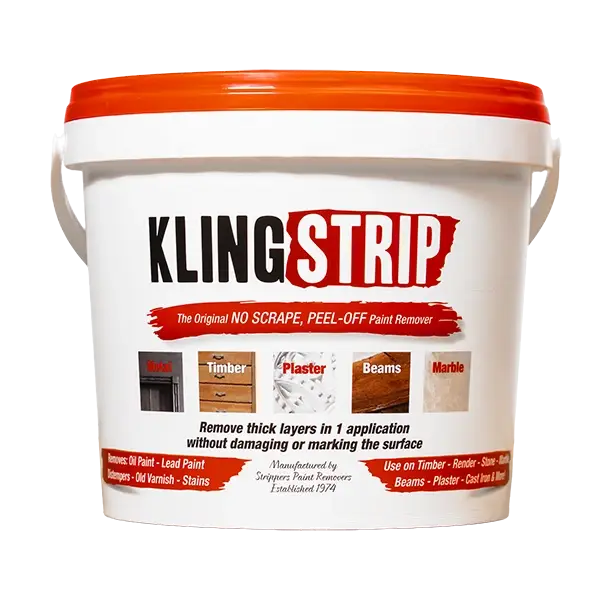
Kling Strip Paint Remover
Heavy duty poultice paint stripper for removing thick layers of paint, varnish and stains from a wide range of surfaces.
Features
- Poultice paint stripper for removing thick layers of old paint, varnish and stains
- Suitable for use on timber, brick, stone, plaster, cast iron and more
- Ideal for removing old and multi-layered coatings from detailed surfaces
- Wet stripping process helps reduce dust when removing older coatings
- Can remove multiple layers in a single application when given sufficient dwell time
- Water washable residue for easier clean-up after stripping
Brand
Coverage
Up to 6 m2 per litre
No. of coats
1
Size
250ml
5L
MPN
Please Select Size/Option
GTIN
Please Select Size/Option
Overview
Kling Strip is a highly effective alkali-based poultice paint stripper designed for restoration, renovation and demanding paint removal projects. Suitable for removing old paints, varnishes and stains, it is particularly useful where conventional paint strippers struggle with heavy build-ups or older coatings.
Its thick paste consistency allows it to remain active for extended periods when covered, softening coatings before they can be washed away with water. This makes it particularly useful for restoration work where careful removal is preferred over aggressive scraping or sanding.
Kling Strip is part of a complementary product range that includes specialist paint removers, surface neutralisers and covering films, providing everything needed to remove old coatings and prepare surfaces for their next finish.
Other Kling Strip Products
| Product | Use |
| Kling Strip Solvistrip | Suitable for tackling tough coatings and multiple layers of paint where a more powerful stripping action is required |
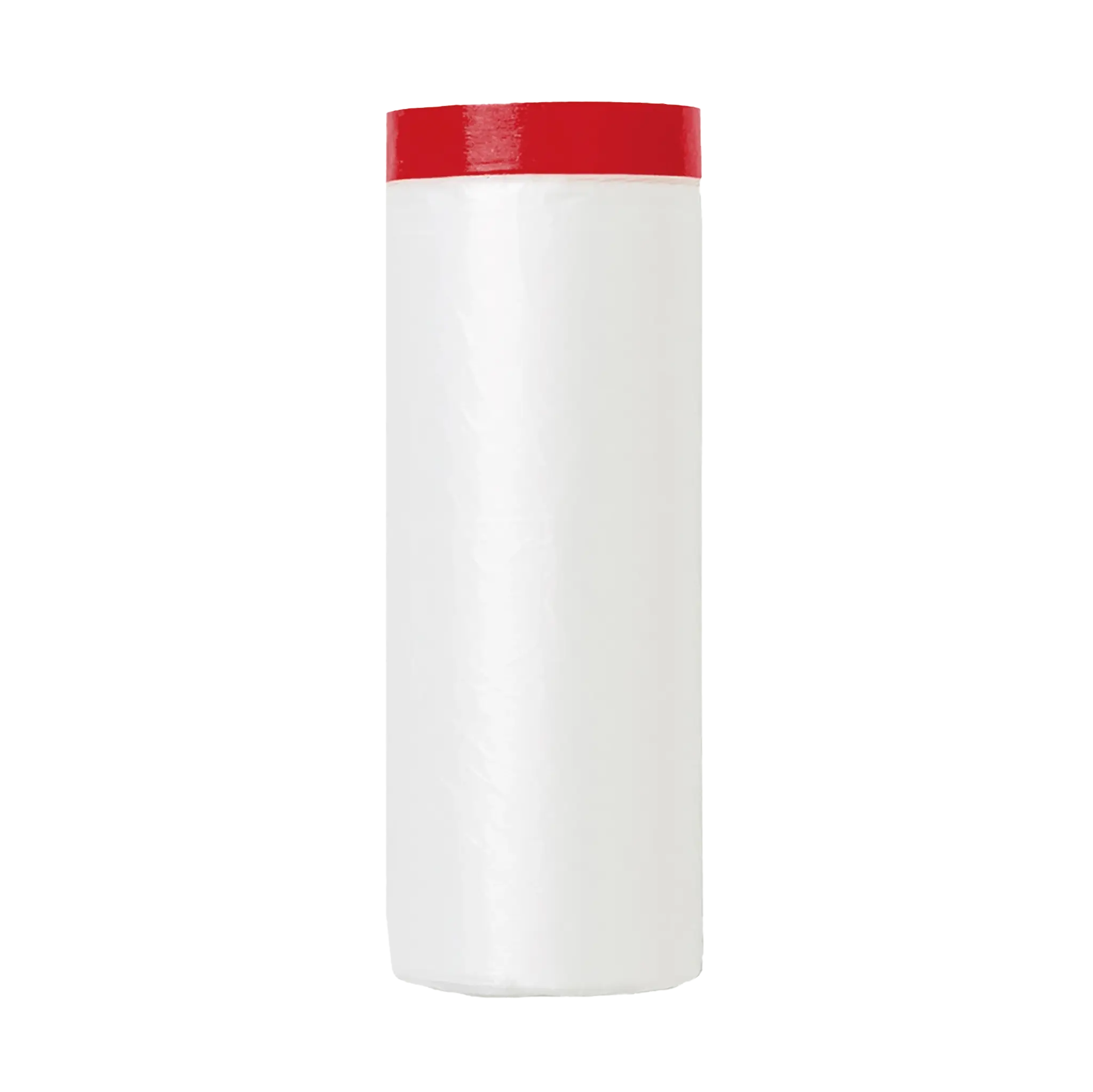
| Kling Strip Covering Film | Apply over wet paint remover to slow evaporation, extend dwell times and improve stripping performance on larger areas |
| Kling Strip Neutraliser N-20 | Use after paint stripping to neutralise the surface and prepare it for refinishing, painting or staining |
Customers Also Bought
Preparation
Preparation
Back
Correct preparation is essential before using Kling Strip to achieve the best possible stripping performance and avoid unwanted reactions with sensitive surfaces. Always ensure surfaces are suitable, protected where necessary and tested before starting larger projects.
- Ensure surfaces are free from loose dust, dirt and debris so Kling Strip can achieve good contact with the surface.
- Remove or loosen fittings, hardware and obstacles where possible to allow easier access to the surface being stripped.
- Cover and protect surrounding surfaces, fixtures and materials not intended to come into contact with Kling Strip.
- Check that the substrate being treated is suitable for use with highly alkaline paint removers before application.
- Do not use on veneers and take additional care when working with decorative plaster, gesso or sensitive materials.
- Ensure temperatures are above freezing and avoid working in direct sunlight or excessively hot conditions.
- Wear suitable protective clothing including gloves and eye protection before starting work.
Application
Application
Back
Please note: Wear suitable protective clothing, gloves and eye protection whilst applying this product.
Always carry out a small test area before starting any project to confirm compatibility, required application thickness and dwell times. Always follow the manufacturer's instructions on the container.
Some Points of Note
- Should not be used on veneers and may not be suitable for some sensitive materials
- Some timbers, particularly teak, mahogany and newer hardwoods, may darken after treatment
- May leave water marks on timber if not applied evenly across the whole surface
- Decorative plaster, gesso and oil-bound plaster surfaces may be adversely affected
- Avoid contact with aluminium and protect adjacent surfaces before application
- Will not work correctly near freezing temperatures and may dry too quickly in direct sunlight or excessive heat
- Very thick coatings, decorative mouldings and multiple paint layers may require longer dwell times or multiple applications
Test Area
Test patches are strongly recommended before starting larger projects. Apply Kling Strip to a small test area at varying thicknesses to determine coverage rates, dwell times and required application thickness. As a guide, thinner coatings may require only a few hours whilst heavily built-up coatings may require overnight or longer.
Application
- Apply Kling Strip generously using a trowel, scraper or other suitable spreading tool
- Apply between approximately 3mm and 6mm thick, using thicker applications for heavier paint build-ups
- Cover the applied product with Kling Strip Covering Film to prevent premature drying
- Leave the product to work until the coating has softened through the full thickness, periodically checking a small area if required
- Carefully remove the bulk of the dissolved coating and Kling Strip using a scraper or stripping knife, taking care not to damage the surface
- Wash remaining residue away using water, a sponge, brush or suitable washing method depending on the substrate
Neutralisation Stage
Neutralisation is an important step after stripping as alkaline residue left behind may affect the performance, adhesion and appearance of future coatings. Thorough cleaning and drying are essential before decorating or refinishing.
- Thoroughly wash stripped surfaces to remove any remaining residue
- Allow the surface to dry completely before carrying out any further treatment
- Porous substrates such as timber, brick and plaster may require neutralising using a suitable neutraliser or vinegar solution
- Remove any salts or efflorescence that appear during drying before refinishing
- Use an alkali-resistant primer where appropriate before repainting or refinishing
Finishing
Finishing
Back
Finishing
Before applying paints, varnishes, oils or other finishes, ensure the stripped surface is fully clean, dry and free from alkaline residue. Taking time at this stage can help improve adhesion and reduce the risk of coating failure.
- Allow stripped surfaces to dry thoroughly before applying any new coating or finish
- Check surfaces carefully for remaining residue, particularly within joints, mouldings and detailed areas
- Remove any remaining salts, powdery deposits or efflorescence before decorating
- Lightly sand timber surfaces if required to remove raised grain and create a smoother finish
- Where required, apply a suitable primer or basecoat recommended for the chosen finish
- Always carry out a small test area when applying new coatings to confirm compatibility
F.A.Q.
F.A.Q.
Back
What is Kling Strip used for?
Kling Strip is designed for removing thick layers of old paint, varnish and stains from a wide variety of surfaces including timber, brick, stone, plaster and cast iron.
How long should Kling Strip be left before removing?
Dwell times vary depending on coating thickness and the surface being treated. Thin coatings may only require a few hours whilst thicker coatings and multiple paint layers may require overnight or longer.
Can Kling Strip remove multiple layers of paint?
Yes, Kling Strip is designed to tackle thick paint build-ups and multiple layers in a single application when sufficient product thickness and dwell time are used.
Can I check the surface whilst Kling Strip is working?
Yes, carefully lifting a small corner of the plastic covering can help determine whether the coating has softened sufficiently. If required, re-cover the area and allow additional time.
Do I need to cover Kling Strip after application?
Yes, covering the product with cling film, plastic sheeting or other thin polythene helps prevent premature drying and allows the product to work more effectively.
Do I need to neutralise the surface afterwards?
Porous surfaces such as timber, brick and plaster may require neutralising after stripping to help remove alkaline residue before repainting or refinishing.
Can Kling Strip be used on all surfaces?
No. Kling Strip should not be used on veneers and may not be suitable for sensitive materials such as decorative plaster, gesso or aluminium. Always carry out a test area before starting larger projects.
Datasheets
Reviews
Reviews
Back
7 customer reviews
5.0/5.0
based on last 2 months
5 stars
7
4 stars
0
3 stars
0
2 stars
0
1 star
0
It was what it says!
We used the product to get paint off the house! Maybe not what it's meant for! But it worked well, left it on over night and it peeled off right down to the brick.
Christ Vincent. , 5L (07/10/26)
Fantastic
Best paint stripper for removing paint on internal bricked fireplace and will be purchasing more.
Eva Torres. , 5L (04/10/26)
Brilliant!
I applied Kling strip to the paint on the stairs. Reasonably thick, covered with cling film. After one day there was discolouration showing. Then after two days It was time to remove. Removed with a scrapper gently. Nice clean stripped wood underneath. Washed off with hot soapy water. This is the best stripper I have used.
K Marshall. , 5L (09/09/26)
Worked well for stripping old gloss of window surround and door frames
Worked well was bit sceptical but used to strip years of old gloss paint from door frames and window surrounds in a 1930s property and did exactly what it said
Joseph. , 5L (14/08/26)
Messy, but effective!
Used to strip paint off of a cast iron fireplace, it did a great job, though the clean up was a bit tedious and messy; it was a very quick way to remove 100 years of overpainting!
Wendy Bayford. , 5L (10/08/26)
Brilliant product
Although a right palaver and faff to paste on … leave on for 6-24 hours … take off… scrub/wash off… wash off again… pick out the minute bits of paint left with a blade… let dry… then repeat on the other side of the old Victorian, lead painted door and glass; This IS the best product for the job and the easiest to use. Better than the liquid paint strippers by miles and safer than a blow torch (lead paint).
It took me a week to finish a door, went through three big tubs as I put a generous amount on, but it looks lovely now I have waxed the doors and re-hung. I have even kling wrapped the hinges, screws and hooks. No fumes, but about 20kg of gooey paste to dispose of at the chemical Section of the local recycling plant.
I was also really pleased the product removed lead paint from the glass sections exposing old hand blown cranberry glass when we thought it would be clear. I even used indoors to try and remove paint from part of the door frame and this was less successful due to mess. Tip tip - be ready before you start clean up: several buckets of water for washing down, fine wire wool, nail brush, flexible sanding pads, no-scratch scouring pads, rags to wipe away excess water and a small blade to help remove tiny flakes of stubborn paint that might resist the product. I recommend watching one or two ‘how to’ YouTube videos. The ones I saw gave different tips. Good luck!
Mrs S. , 5L (08/08/26)
It does the job
I was recommended by a friend, I have 4 steps to my front door which was painted when I moved in ( about 8 layers over the years ) it was hard work and messy but it works well, I left it on for 24 hours but I redid some areas and left on for 3 days which I think is better. I had tried a couple of products first but they were rubbish. I would definitely use this product for any paint removal jobs.
Miss Stella Ashley. , 5L (08/08/26)