

Previous video in this series: How to Restore Grey Fence Panels
With so many fence treatments on the market all claiming to offer long-lasting protection, choosing the right one can feel like a big decision.
And understandably so. The product you choose doesn’t just protect your fence – it can completely transform the look and feel of your outdoor space too.
To help make that choice a little easier, we decided to put a selection of popular fence-friendly products to the test and see how they compare.
The Fence Treatment Line-Up
For this test, we selected eight widely used products:
•
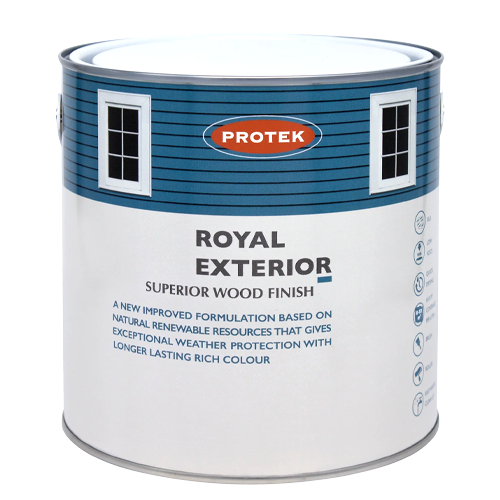
Protek Royal Exterior Paint
•
Protek Wood Stain & Protect
•
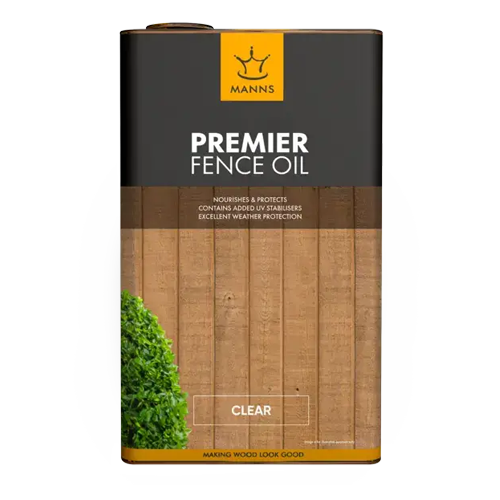
Manns Fence Oil
•
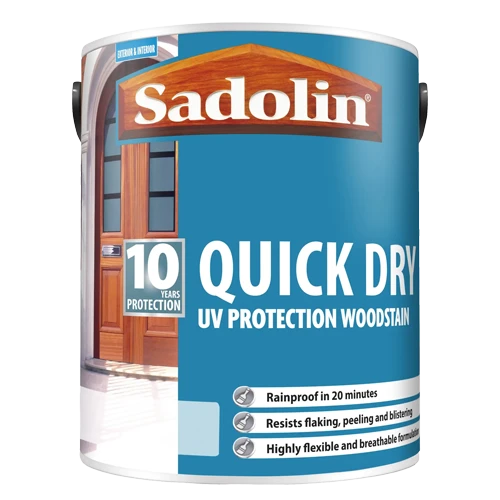
Sadolin Quick Dry UV Protection Wood Stain
•
Cuprinol Garden Shades
•
Osmo UV Protection Oil
•
Sadolin Superdec
•
Cuprinol Ducksback
How We Tested Them
To keep things fair, each product was assessed using the same criteria:
Application
How does it feel when applied with a brush? Is it smooth and easy to work with, or awkward and difficult?
Coverage
How far does the product go? Does a little stretch a long way, or does it disappear into the timber?
Opacity
How effectively does it cover the wood and deliver the intended finish?
Product-by-Product Review
Protek Royal Exterior
Shop Now
Protek Wood Stain & Protect – Cedar
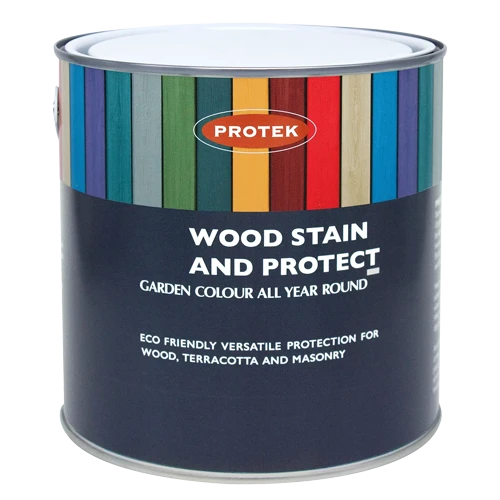
There’s a broad colour range available, and for this test we chose Cedar – a shade that looked almost purple when first applied, before settling as it dried to the expected warm wood tone.
Shop Now
Manns Fence Oil – Light Oak
Shop Now
Sadolin Quick Dry UV Protection Wood Stain – Clear
Shop Now
Cuprinol Garden Shades – Willow
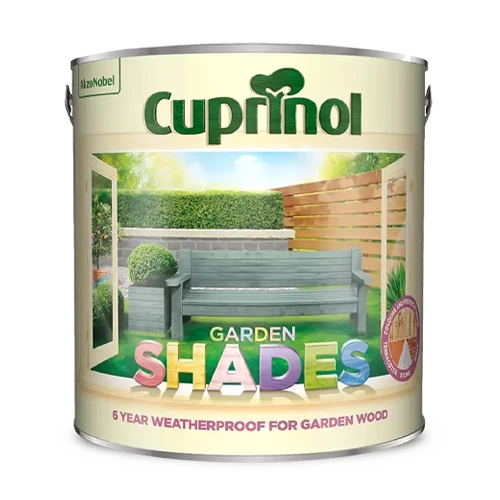
The second coat should be applied within four to six hours of the first. Wait too long and the wax-enriched formula begins creating its protective barrier, which can prevent the second coat from bonding properly.
Shop Now
Osmo UV Protection Oil – Clear
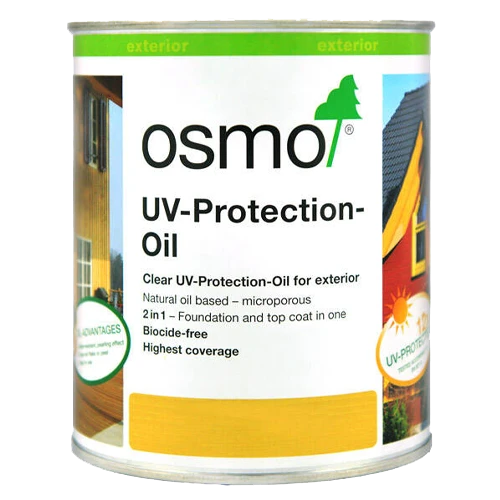
It absorbs heavily into the timber, making application harder and reducing overall coverage. On this type of surface, it simply doesn’t go as far as the others. While it is technically an exterior oil, it’s designed for smooth timber surfaces where it can be applied thinly and any excess wiped away.
On rough sawn fencing, the product soaks in unevenly, struggles to cure correctly and can leave behind a sticky, tacky finish rather than the clear protective layer users expect.
A week after application, the result was sticky… and definitely not clear.
It’s a useful reminder that even high-quality products can disappoint when used outside their intended purpose.
Shop Now
Sadolin Superdec
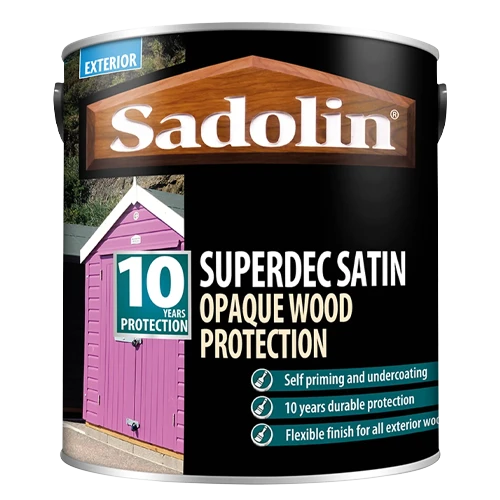
Available in a wide variety of colours, Superdec offers versatility beyond timber too, with compatibility across uPVC, metal, cladding, concrete and masonry. The updated formula also benefits from a quicker drying time.
Shop Now
Cuprinol Ducksback
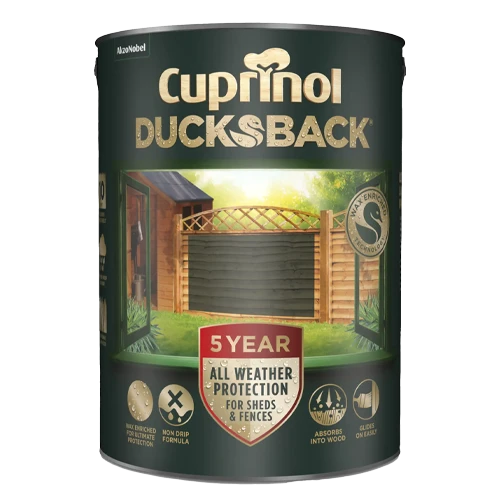
Like Garden Shades, though, it benefits from a prompt second coat. The wax layer needs to form properly, so don’t leave too much time between applications.
Shop Now
The Finished Fence Panel
After two coats across all eight sections, the finished panel stood proudly on the hillside – and the waiting game began.
Now the real challenge comes with how these products cope with changing seasons, coastal exposure and everyday weathering?
Over the next 12 months, we’ll be monitoring what survives, what fades and which finishes begin to struggle.
Final Thoughts
There’s no single “best” fence treatment for every situation.
Some excel in ease of application, others in coverage or colour richness, and this is only the beginning, as the real test comes over time.
We’ll be revisiting this fence panel after a full year outdoors to see how each product has held up against the elements.
Shop all fence treatments with Wood Finishes Direct.



[…] See also the next video in this series: Which Fence Treatment Performs Best? […]