
Choosing a decking treatment should be simple. Then you discover decking oils, stains, paints, preservers, water-based formulas, solvent-based formulas and enough colour choices to cover a small housing estate.
Get to the right product by considering three main things: the condition of your decking, the finish you want and the amount of maintenance you are willing to carry out in future.
In the video below, we explain the main differences and help you narrow down the best option for your deck.
The quick answer: decking oil, stain or paint?
For decking that is in good condition and where you want to retain a natural timber appearance, a decking oil is usually the most straightforward choice.
Choose a decking stain when you want to introduce more colour while still allowing some of the wood grain to remain visible.
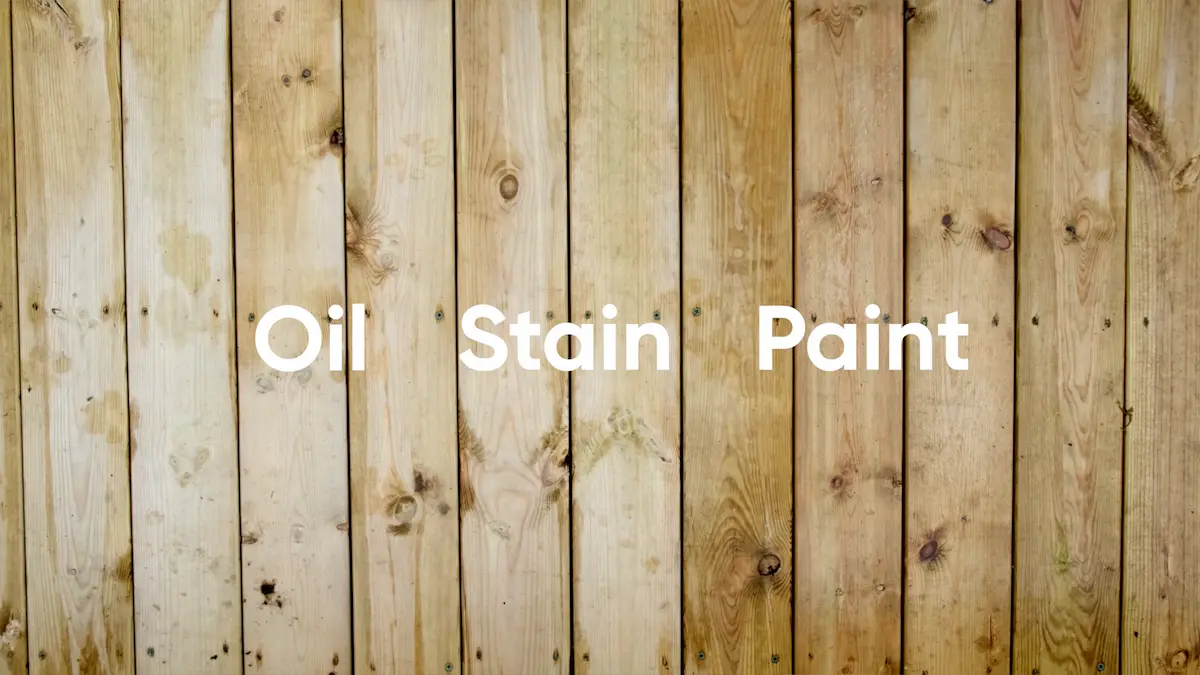
Decking paint provides an opaque, solid-colour finish. It can be particularly useful when older decking is looking tired but is still structurally sound.
Whatever finish you choose, check that the manufacturer recommends it specifically for decking. A normal exterior wood stain or garden paint may not be tough enough for a horizontal surface that has to deal with rain, standing water, furniture and regular foot traffic.
When should you use decking oil?
Decking oils soak into the timber rather than simply creating a thick coating across the surface. They help replace some of the natural oils lost through weathering while reducing moisture absorption and helping to prevent the wood from drying, splitting or warping.
They are a good choice when:
- You want to retain the natural character of the wood
- The decking boards are in reasonably good condition
- You want a finish that is straightforward to maintain
- You would prefer not to deal with a coating that could eventually crack or peel
Clear and coloured decking oils are available. However, even a “clear” oil will usually deepen the colour of the timber slightly, similar to the appearance of wood when it is damp.
Coloured or lightly pigmented oils are worth considering for sunny areas because the pigments help protect the timber from UV-related fading and greying.
When is decking stain the better option?
Decking stain sits somewhere between the natural appearance of an oil and the solid colour of a paint.
It adds a more noticeable colour to the boards while usually allowing some of the wood grain and texture to show through. This makes it useful when the timber has become uneven in colour but is not yet at the stage where you want to hide it completely.
A decking stain may be suitable when:
- You want a stronger or more consistent colour
- The boards have faded unevenly
- You still want some of the wood grain to remain visible
- You want a finish designed to cope with regular foot traffic
Good preparation makes a big difference. If an old stain is peeling, flaking or wearing unevenly, remove any loose material before applying another coat.
When should you paint decking?
Decking paint creates a solid, opaque finish that covers most of the original timber colour and grain.
This approach can completely change the appearance of a deck and often provides a practical solution for older boards that look tired, stained or mismatched. However, it cannot repair rotten or structurally damaged timber. Replace any unsafe boards before you begin decorating.
Paint may be the right choice when:
- You want a bold or completely different colour
- The existing timber is heavily weathered or discoloured
- You want to disguise colour variations and old marks
- Preserving the natural wood appearance is no longer a priority
The trade-off is that a painted surface generally requires more preparation when it eventually needs re-coating. If moisture gets beneath a poorly prepared coating, it can begin to lift or peel.
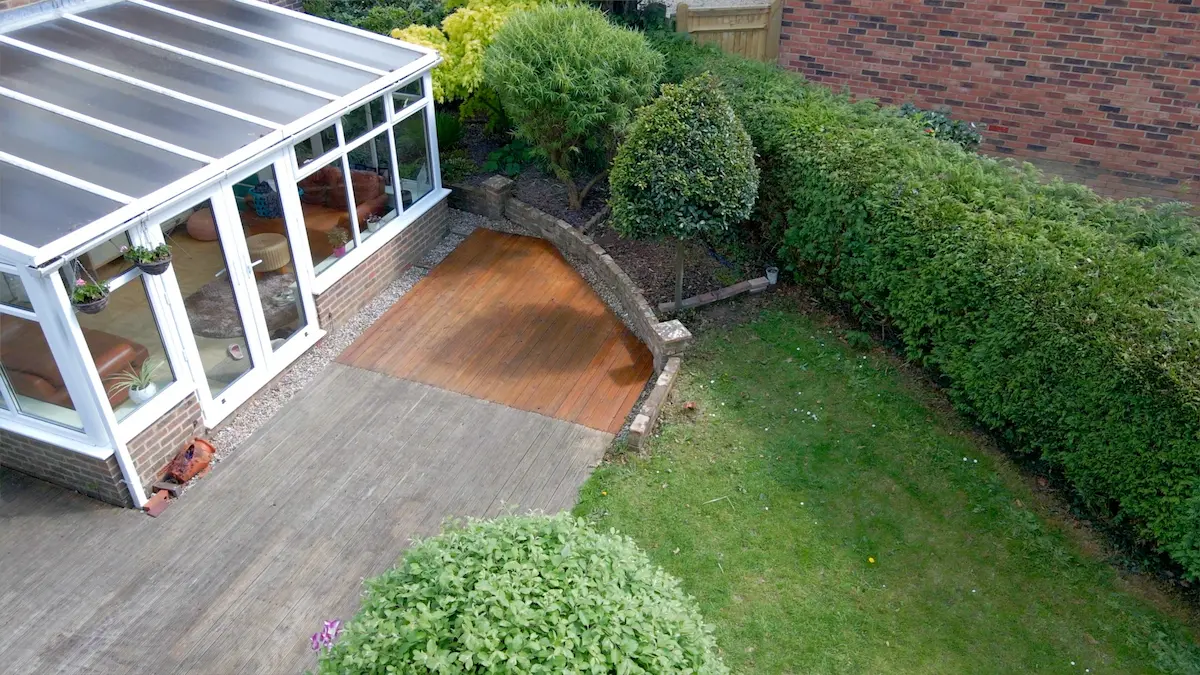
Here is a video showing the process of reviving decking with paint.
How important is UV protection?
Sunlight is one of the main reasons untreated exterior timber fades and turns grey.

A completely clear finish may help reduce water absorption, but it normally offers less protection from UV light than a coloured or pigmented treatment. If maintaining the original colour of the decking is important, look for a product that specifically mentions UV resistance.
No exterior finish lasts forever. Regular cleaning and timely maintenance coats will normally produce a much better result than waiting until the treatment has completely disappeared or started to fail.
Water-based or solvent-based decking treatment?
There is no simple rule that says one is always better than the other.
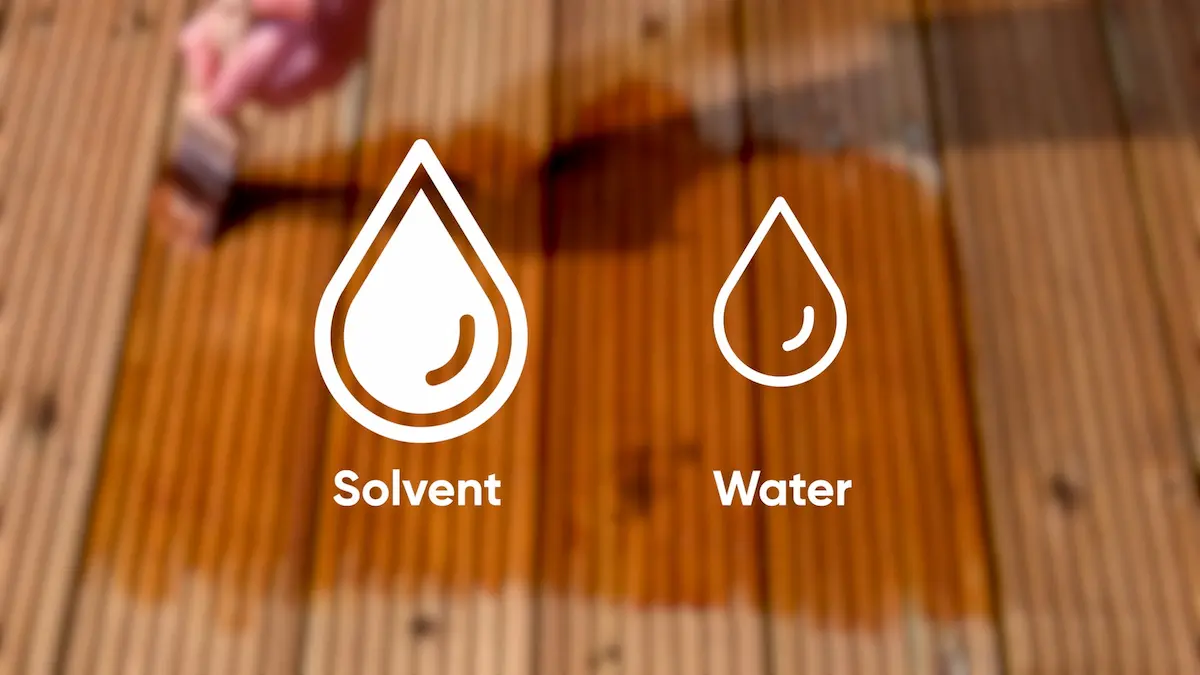
You will find water-based products have less odour, dry more quickly and allow brushes and tools to be cleaned with water.
Solvent-based treatments often enhance the colour of the timber more noticeably and may take longer to dry. Many traditional penetrating decking oils use solvent-based formulas.
The most important consideration is compatibility. Avoid applying a new product over an unidentified old finish without checking whether the two can be used together. When in doubt, test a small, inconspicuous area first.
Choose the right weather
Even the best decking product can struggle if it is applied in poor conditions.
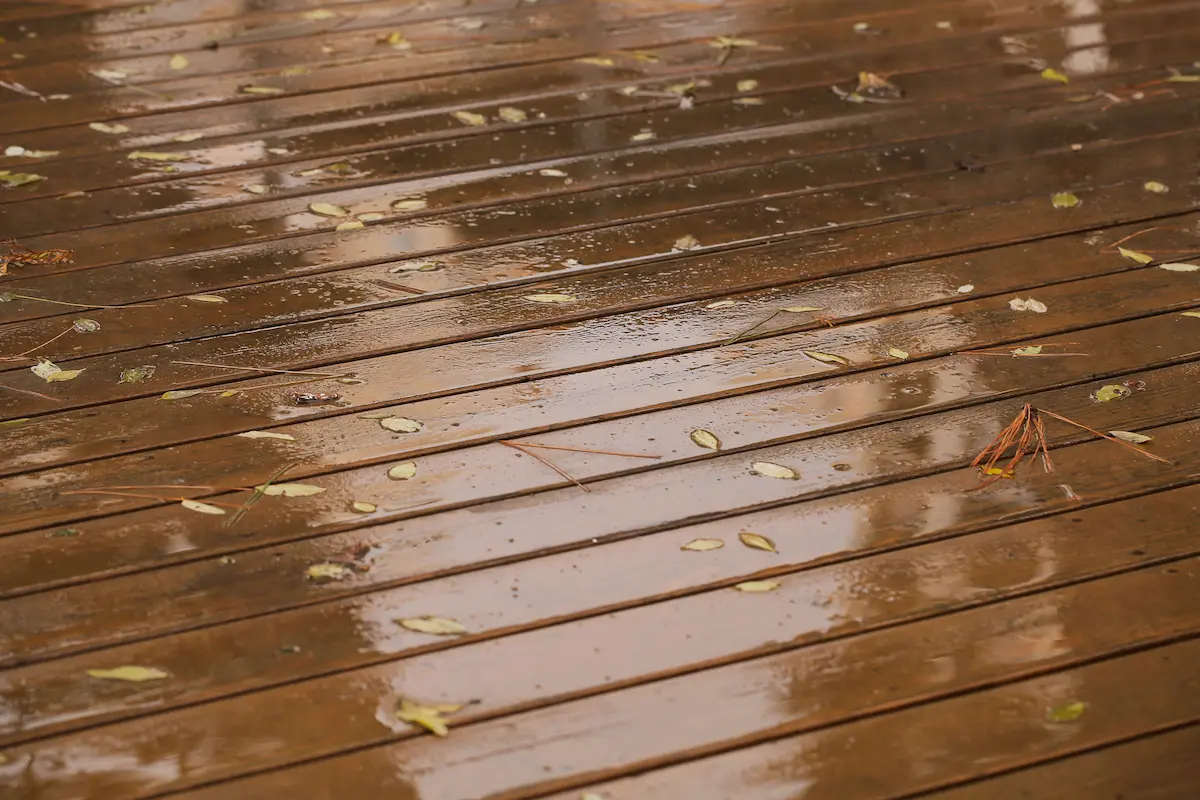
The decking should be clean and completely dry before treatment. Check the forecast and allow enough rain-free time for every coat to dry properly.
Avoid applying a finish to timber that is damp, very cold or baking in strong direct sunlight. Excessive heat can make a product dry too quickly, making it harder to spread evenly and increasing the risk of lap marks.
Always follow the temperature, drying-time and weather guidance printed on the product.
What should you put on new decking?
You may need to let new decking weather before applying a treatment.
Fresh pressure-treated timber can contain a considerable amount of moisture. Some hardwoods may also contain natural oils or surface deposits that affect how well a finish can penetrate.
Allow new decking to dry and weather as recommended by the timber supplier and the manufacturer of your chosen treatment. If water continues to bead strongly on the surface rather than soaking in, a penetrating oil may not yet be able to absorb correctly.
Once the timber is ready, clean away any dirt or surface contamination and apply a suitable decking treatment in accordance with its instructions.
What should you use on old decking?
With older decking, the previous finish usually determines what needs to happen next.
Start by cleaning the boards and checking for rot, loose fixings, splinters and damaged sections. A specialist decking cleaner can remove everyday dirt, algae and surface contamination, while a wood reviver can help restore timber that has become grey through weathering.
Strip or sand back peeling paint or stain until you reach a sound, stable surface. When switching from paint or stain to a penetrating oil, you will usually need to remove the old coating completely so the oil can soak into the wood.wood.
Allow the deck to dry thoroughly before applying the new finish.
What about decking preserver?
A wood preserver and a decorative decking treatment do different jobs.
A suitable preserver can help protect bare, untreated timber against biological problems such as rot, mould and fungal decay. An oil, stain or paint then provides the decorative finish and helps protect the surface from moisture and weathering.
Pressure-treated decking may already contain preservative treatment, so check with the timber supplier before adding anything else. Any preserver used beneath a decking finish must also be compatible with the final product.
So, which decking product should you choose?
Choose decking oil for sound timber, a natural appearance and straightforward future maintenance.
Decking stain is good when you want more colour while retaining some visible wood grain.
And use decking paint when you want an opaque transformation or need to improve the appearance of older, unevenly coloured boards.
Most importantly, do not choose solely by looking at the colour on the front of the tin. Consider the condition of the decking, the previous treatment, the amount of UV exposure and how you want to maintain it in the years ahead.
A little extra thought before you begin can save a great deal of cleaning, sanding and muttering later.
Frequently asked questions
Is decking oil or stain better?
Neither is automatically better. Decking oil is usually preferable when you want a natural finish and easier maintenance. Decking stain provides a stronger colour and may be better for timber with uneven fading.
Can decking oil be applied over stain?
Usually not without preparation. A surface stain can prevent the oil from penetrating. The previous coating may need to be removed so the timber is clean, bare and absorbent.
Can you paint over oiled decking?
Paint should not normally be applied directly over freshly oiled timber because the oil can prevent it from adhering. The old oil must be removed or allowed to weather sufficiently, and the surface should be prepared in line with the paint manufacturer’s instructions.
How often should decking be treated?
There is no single maintenance interval for every product. It depends on the treatment, exposure, foot traffic, timber type and weather. Inspect the decking regularly and apply a maintenance coat before the previous protection has completely broken down.
Explore our full selection of decking oils, stains, paints, cleaners and restoration products, or speak to our team if you need help choosing a treatment for your particular project.
Read More Decking Articles in This Series
Why Use A Decking Preserver
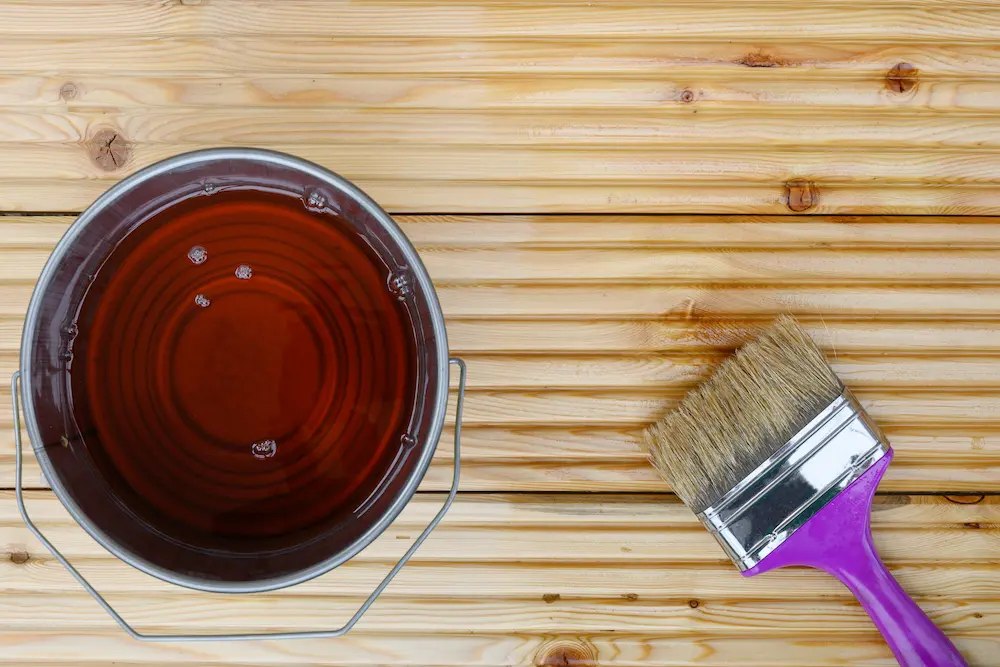
Do you really need a decking preserver, or can you go straight in with your oil, paint or stain? Read more
Decking and Wood Revivers
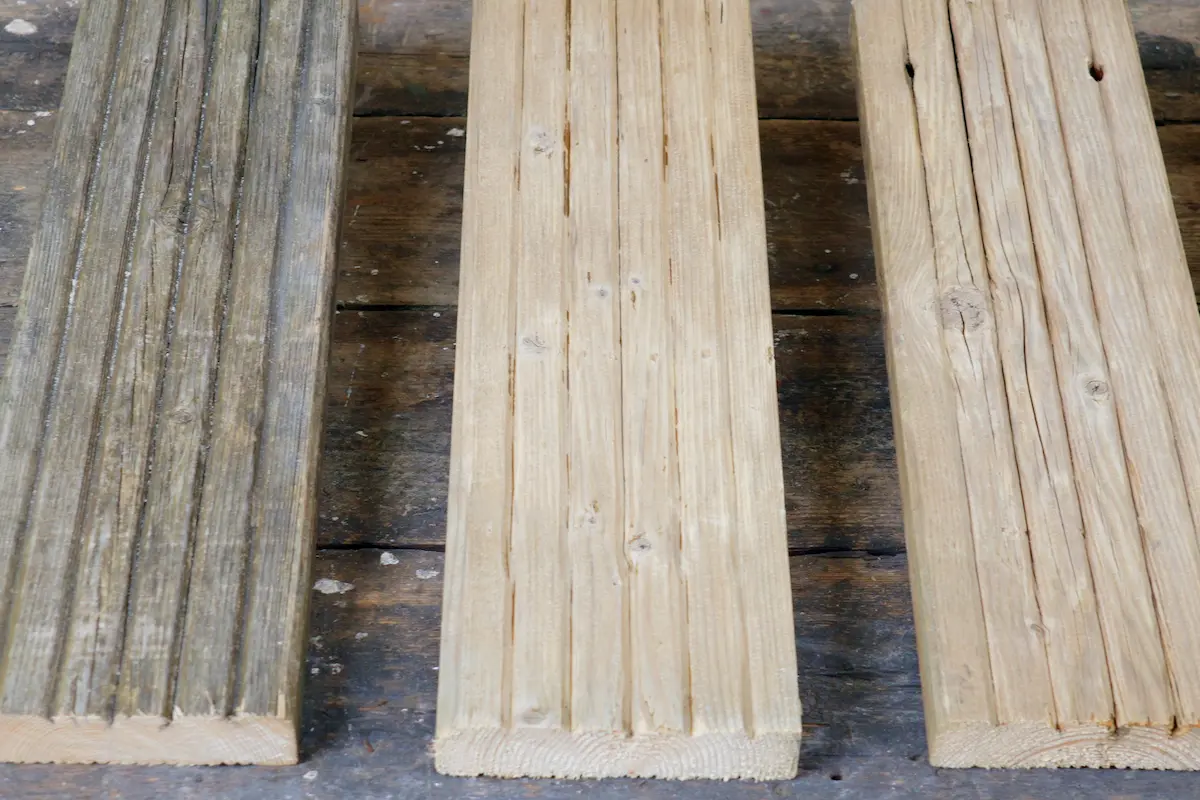
Don’t panic, your decking may simply need a thorough clean and revival. Read more
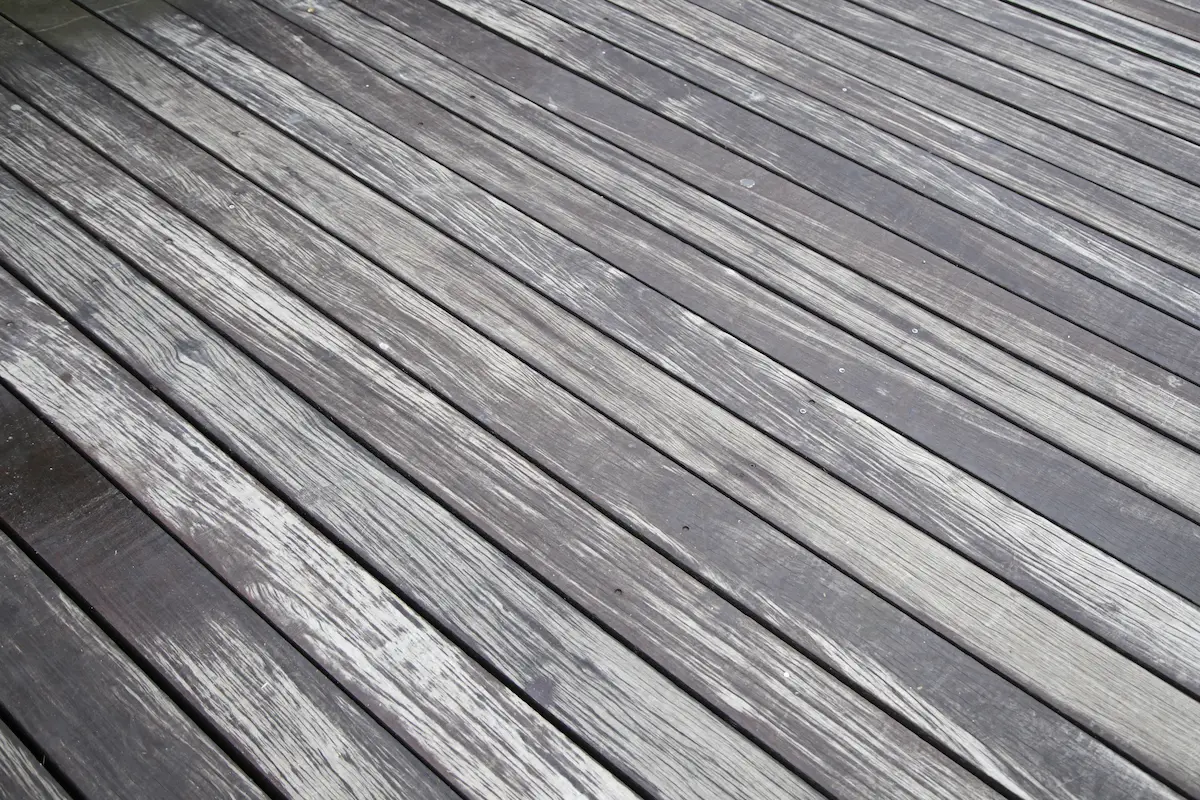
How to restore and oil your decking
The complete process to restore neglected wooden decking back to its former glory. Read more
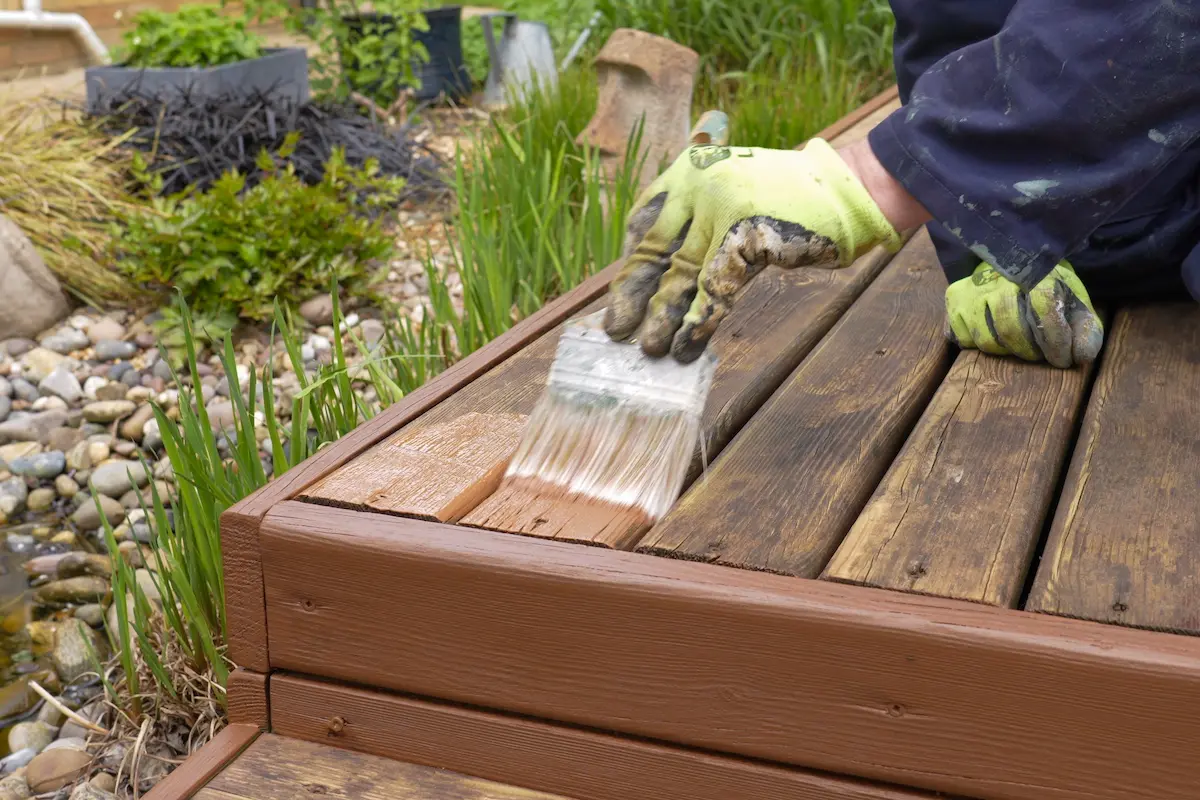
How to paint your decking
Transform your weathered decking into a stunning outdoor feature with our step-by-step expert guide. Read more

Complete garden protection
3 great products to transform
a new build garden.
Read more