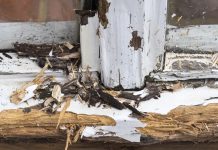

Grey, tired-looking decking can sometimes appear so far gone that replacement feels like the only sensible option. Before reaching for the crowbar—or quietly arranging a bonfire—it may simply need introduced to decking wood revivers.
We put four popular decking cleaners and wood revivers to the test:
Cuprinol Decking Cleaner
Osmo Wood Reviver Power Gel
Liberon Tough Deck Clean and Revive
Ronseal Decking Restorer
We tested each product side by side on weathered timber to see how effectively it cleaned the surface, restored the wood’s natural colour and, importantly, how much effort the job required.
The first thing we learned: cleaners and decking revivers do not always mean the same thing
The products are not identical although they sit in a similar category.
A decking cleaner generally removes surface contamination such as dirt, grease, algae, mildew and grime. A wood reviver or restorer tackles timber that has turned grey or silver after prolonged exposure to sunlight and the weather.
Some products can handle a little of both. However, you will get better results by choosing a product that suits the condition of your decking rather than simply reaching for the biggest or most familiar brand.
A Quick Guide:
| Product | Best suited to | Main strength | Worth knowing |
|---|---|---|---|
| Cuprinol Decking Cleaner | Dirty, greasy or algae-covered decking | General cleaning and preparation | More of a cleaner than a specialist de-greying treatment |
| Osmo Wood Reviver Power Gel | Grey or silvered bare timber | Restoring natural wood colour | Intended for bare wood or timber with no remaining coating |
| Liberon Tough Deck Clean and Revive | Heavily soiled decking and black spotting | Concentrated cleaning power and high coverage | Needs thorough rinsing and may require a stronger mix on stubborn areas |
| Ronseal Decking Restorer | Grey, untreated and weathered decking | Fast-acting restoration in a gel formula | Not intended for removing existing decking oils, stains or paint |
Why does decking turn grey?
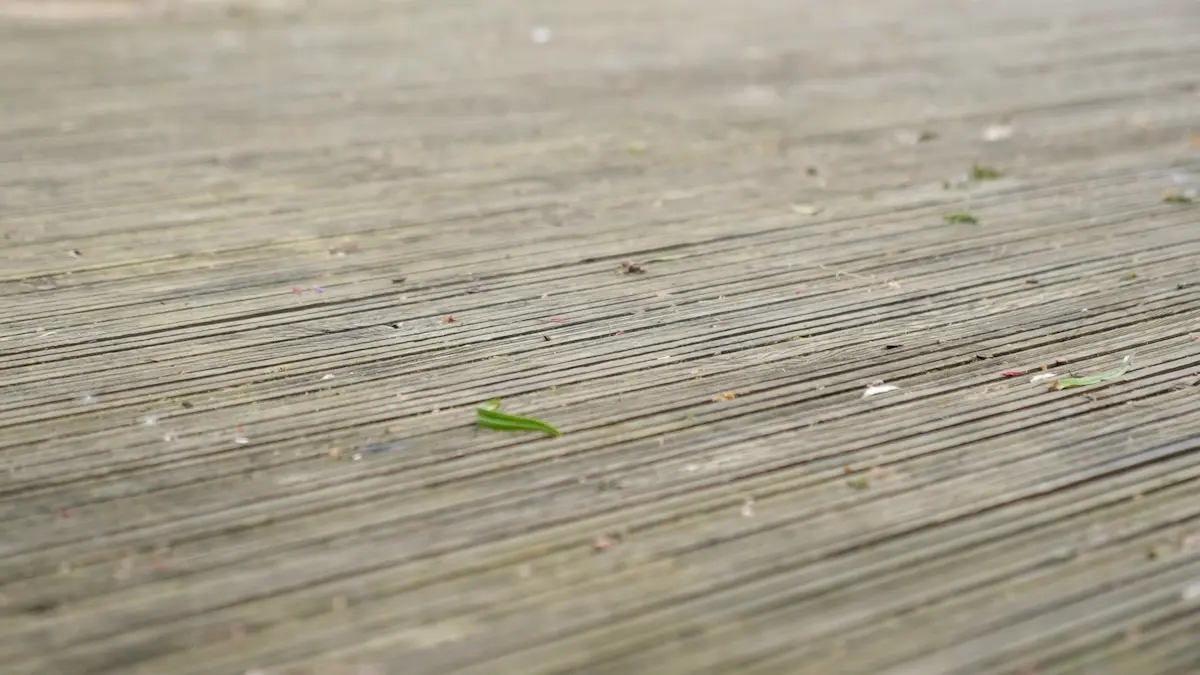
Sunlight, rain and changing temperatures constantly affect exterior timber. Over time, ultraviolet light breaks down the surface of the wood, while rainfall washes away the loosened fibres. This process gradually creates the familiar silver-grey appearance often seen on untreated decking, fences and garden furniture.
Grey timber is not necessarily rotten. In many cases, the weathering only affects the surface, and the right preparation can uncover the warmer natural colour underneath.
Green algae, black spotting and ingrained dirt present different problems. Weathering may turn a deck grey, regular use may leave it dirty, and biological growth may stain the surface. Some unlucky decks suffer from all three.
The four products tested
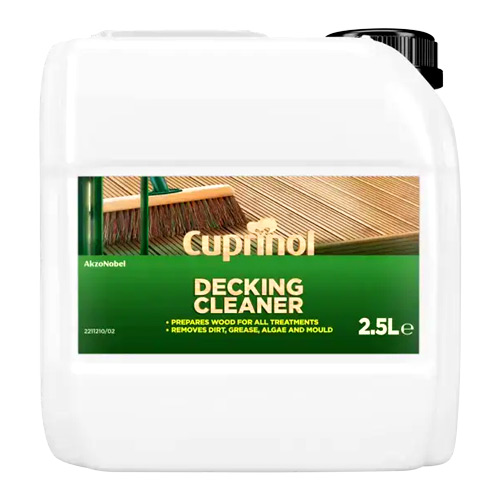
Cuprinol Decking Cleaner
An effective anti-algae decking cleaner for softwood and hardwood decking.
No. of coats: 1
Size: 2.5L
Coverage: Up to 12 m2 per litre
Find out more
Cuprinol Decking Cleaner is primarily a general-purpose cleaning treatment. It is formulated to remove dirt, grease, mould and green algae from softwood and hardwood decking and can also be used on patios and stonework.
This is a sensible option when the main problem is surface contamination rather than heavily silvered wood. It is also useful as preparation before applying a decking oil or stain, but it is not intended to provide ongoing protection by itself.
Application involves working the cleaner into the surface with a stiff brush, leaving it briefly and then rinsing thoroughly with water. Heavily soiled areas may require a second application.
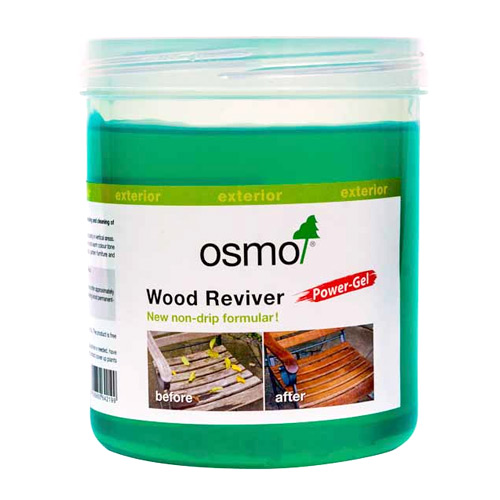
Osmo Wood Reviver Power Gel
A biodegradable wood reviver designed to restore the natural character and colour of sun and weather damaged wood.
No. of coats: 1-2
Size: 500ml 2.5L 5L 10L
Coverage: Up to 10m2 per litre
Osmo Wood Reviver Power Gel is more specifically aimed at timber that has become grey or silver through weather exposure. Its thick gel consistency helps it remain on the wood rather than immediately running away, making it useful for decking as well as vertical surfaces such as fences, cladding and garden furniture.
The wood should first be dampened with clean water. The gel is then applied generously along the grain, left for around 20 minutes, scrubbed and rinsed away. The full colour change can continue to develop as the wood dries.
This product is best used on bare timber or wood that no longer has an effective oil or coating on the surface. It is not designed to work through decking paint, stain or a sound existing finish.
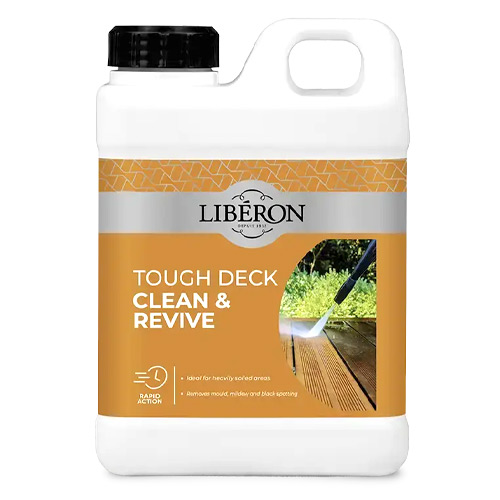
Liberon Tough Deck Clean and Revive
Another effective cleaning solution for use on old and soiled wooden decking.
No. of coats: 1
Size: 2L
Coverage: Up to 30m2 per litre
Liberon Tough Deck Clean and Revive is a concentrated cleaner intended for old, dirty and heavily soiled decking. It targets dirt, mildew, grime and black spotting caused by mould or lichen.
One of its useful advantages is that it can be diluted with up to two parts water, allowing the strength to be adjusted according to the condition of the timber. A stronger mixture can be used on more stubborn areas.
The solution is applied with a scrubbing brush or stiff broom before being rinsed away. Plenty of clean water may be needed, particularly when using a stronger concentration. The decking should then be allowed to dry for at least 24 hours before refinishing.
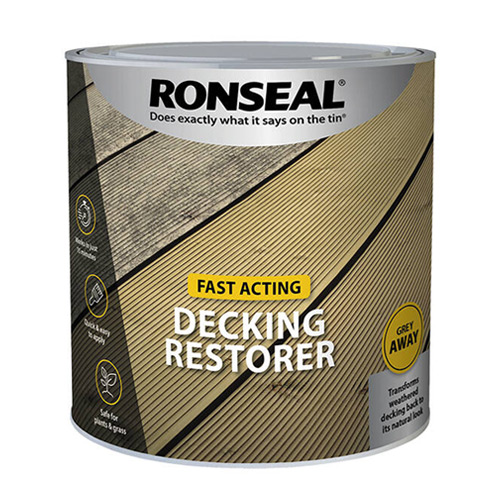
Ronseal – Fast Acting Decking Restorer
Restores and revives ridged or smooth softwood and hardwood decking.
No. of coats: 1
Size: 2.5L
Coverage: Up to 15 m2 per litre
Ronseal Decking Restorer is designed specifically for grey and weathered untreated decking. Its gel formula is worked into the timber with a stiff brush, left for approximately 15 minutes, scrubbed again and then rinsed away.
It is suitable for both smooth and ridged softwood or hardwood decking and is formulated to restore the wood towards its natural appearance. Severe weathering may need a second application.
It should not be confused with a coating stripper. Existing decking paint, stain or a sound oil finish will normally need to be removed with an appropriate decking stripper before a restorer can reach the wood beneath.
What did the comparison show?
The clearest takeaway from the test is that there is no single product for every tired-looking deck.
All four treatments improved the condition of the wood, but the nature of that improvement depended on the product:
- A cleaning-focused treatment is a better match for algae, grime and general dirt.
- A dedicated reviver or restorer is the more logical choice when the main problem is grey, sun-weathered timber.
- Thick gel treatments are easier to control and keep in contact with the wood.
- Concentrated cleaners can cover a larger area but require mixing and thorough rinsing.
- Every option still needs some agitation with a stiff brush. Sadly, none of them has yet discovered how to remove elbow grease from the process.
Choose Osmo Wood Reviver Power Gel or Ronseal Decking Restorer if you need to treat grey, bare timber and restore more of its natural colour.
Start with Cuprinol Decking Cleaner or Liberon Tough Deck Clean and Revive if dirt, algae or heavy soiling covers your decking.
This does not make one product better in every situation. You will get the best result by first deciding whether your deck needs cleaning, de-greying or a combination of both.
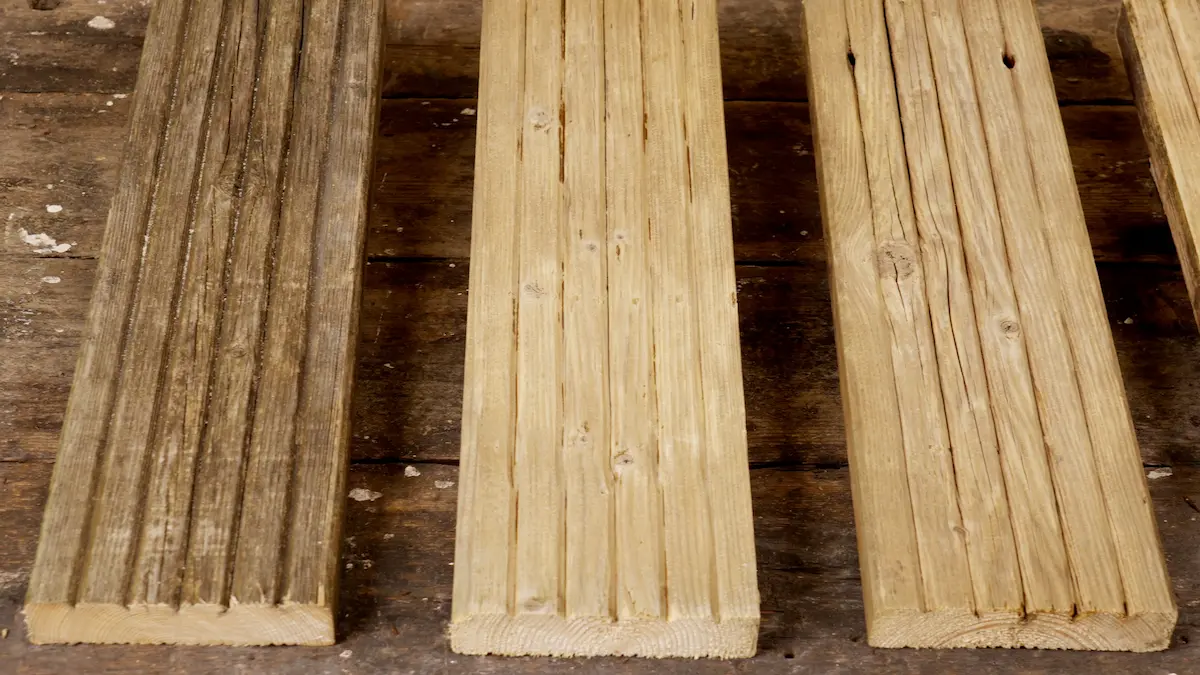
How to get the best result from decking wood revivers
Whichever out of these decking wood revivers you choose, preparation and rinsing can make a considerable difference.
1. Sweep the decking thoroughly
Remove leaves, loose dirt, moss and debris with a stiff broom. A cleaner cannot work efficiently if it has to fight its way through several winters’ worth of leaves first.
2. Check for an existing coating
Most specialist wood revivers need direct contact with bare timber. If water still beads strongly on the deck or a visible paint, stain or oil remains, a decking stripper or sanding may be required first.
3. Always test a small area
Wood type, age and previous treatment can all affect the final appearance. Test somewhere discreet before treating the whole deck.
4. Follow the instructions for that product
Some treatments are applied to dry wood, while others require the timber to be dampened first. Concentrated cleaners may also need to be diluted.
5. Scrub along the boards
Work along the direction of the grain and concentrate on a manageable number of boards at a time. This makes it easier to achieve an even result.
6. Rinse thoroughly
Any remaining cleaner can interfere with the decking finish applied afterwards. Rinse with plenty of clean water and ensure residue is removed from grooves and joints.
7. Allow the wood to dry completely
Drying requirements vary, but allowing approximately 24 to 48 hours is common for restoration treatments. Cool, shaded or damp conditions may extend this considerably. The Osmo and Ronseal instructions both require the timber to dry fully before an oil or stain is applied.
8. Protect the restored timber
A cleaner or reviver restores the surface—it does not provide the long-term protection of a decking oil, stain or suitable decking finish.
Once completely dry, apply your chosen finish to help protect the timber from water, wear and further weathering.
Frequently asked questions
Will decking wood revivers remove old paint or decking stain?
Not reliably. Most revivers are intended for bare or untreated weathered wood. Paint, stain and substantial remaining coatings normally require a dedicated decking stripper or mechanical removal.
Can I use a pressure washer to rinse the decking?
A pressure washer can speed up rinsing, but it should be used carefully. Excessive pressure or holding the nozzle too close can damage the softer fibres and leave the surface rough or furry. A hose and stiff brush will often be sufficient.
Will decking wood revivers protect the decking?
No. A reviver restores and prepares the timber but should normally be followed with a compatible decking oil, stain or other protective finish once the wood is completely dry.
Do I need to sand the decking afterwards?
Not always. Once dry, inspect the surface for raised grain, rough fibres and splinters. A light sanding may improve the final result, particularly before applying a clear or natural-looking oil.
Can these products be used on fences and garden furniture?
Some can. Osmo Wood Reviver Power Gel is suitable for various exterior wooden surfaces, while the products specifically labelled as decking treatments may have more limited recommended uses. Always check the manufacturer’s instructions before application.
The final verdict
Start by identifying what has made your decking look tired, then choose a product designed to tackle that specific problem.
Use a decking cleaner to remove dirt, algae, mildew and grime. Choose a wood reviver or decking restorer when sunlight and rain have turned bare timber grey.
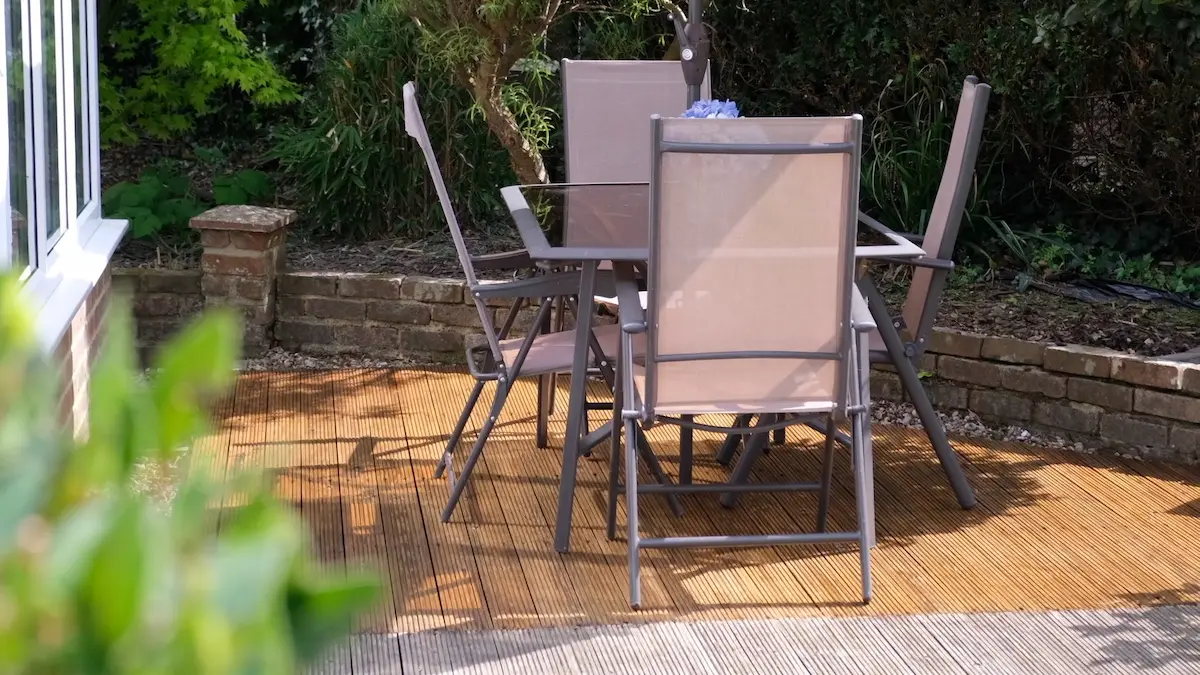
Our test shows that you can often bring heavily weathered boards back to life without replacing them. With the right treatment, a stiff brush and a little effort, you can uncover far more of the wood’s natural colour than you might expect.
Explore our full range of decking cleaners and wood revivers, or ask our team to recommend the best preparation products and finish for your decking project.
Read More Decking Articles in This Series
Why Use A Decking Preserver
Do you really need a decking preserver, or can you go straight in with your oil, paint or stain? Read more
Complete garden protection
3 great products to transform
a new build garden.
Read more
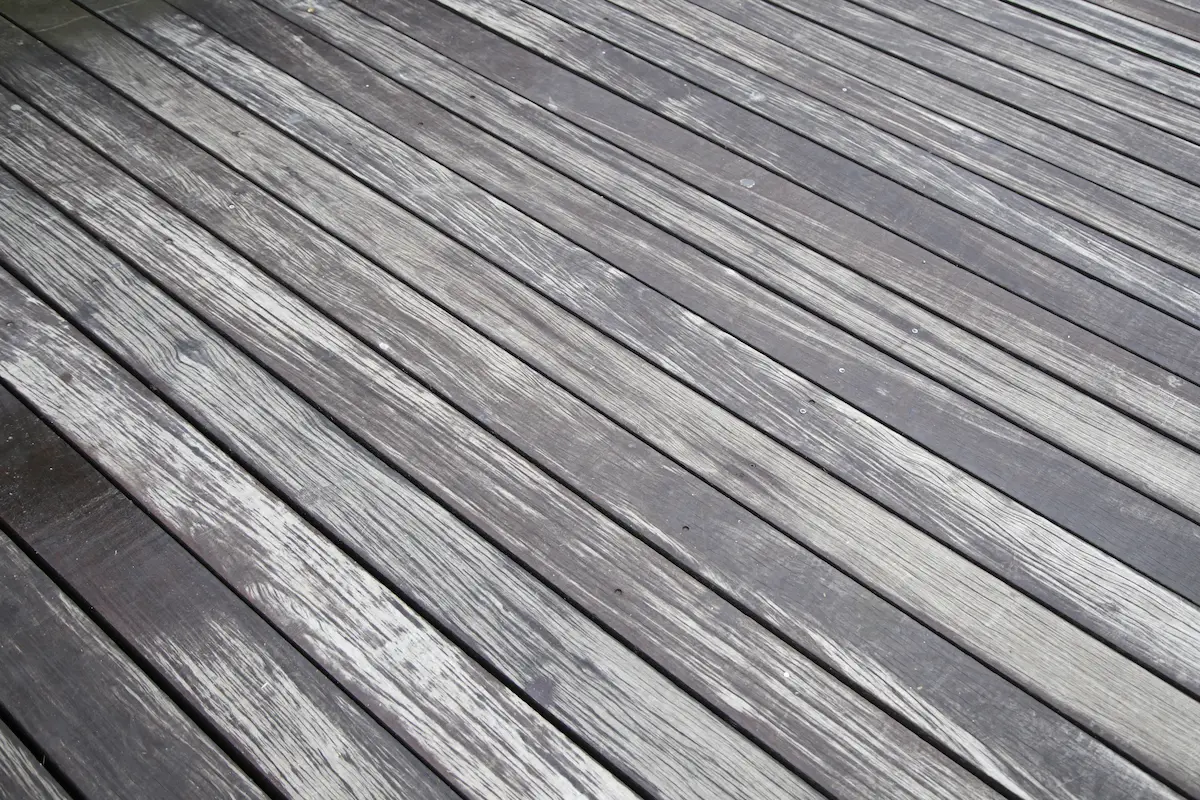
How to restore and oil your decking
The complete process to restore neglected wooden decking back to its former glory. Read more
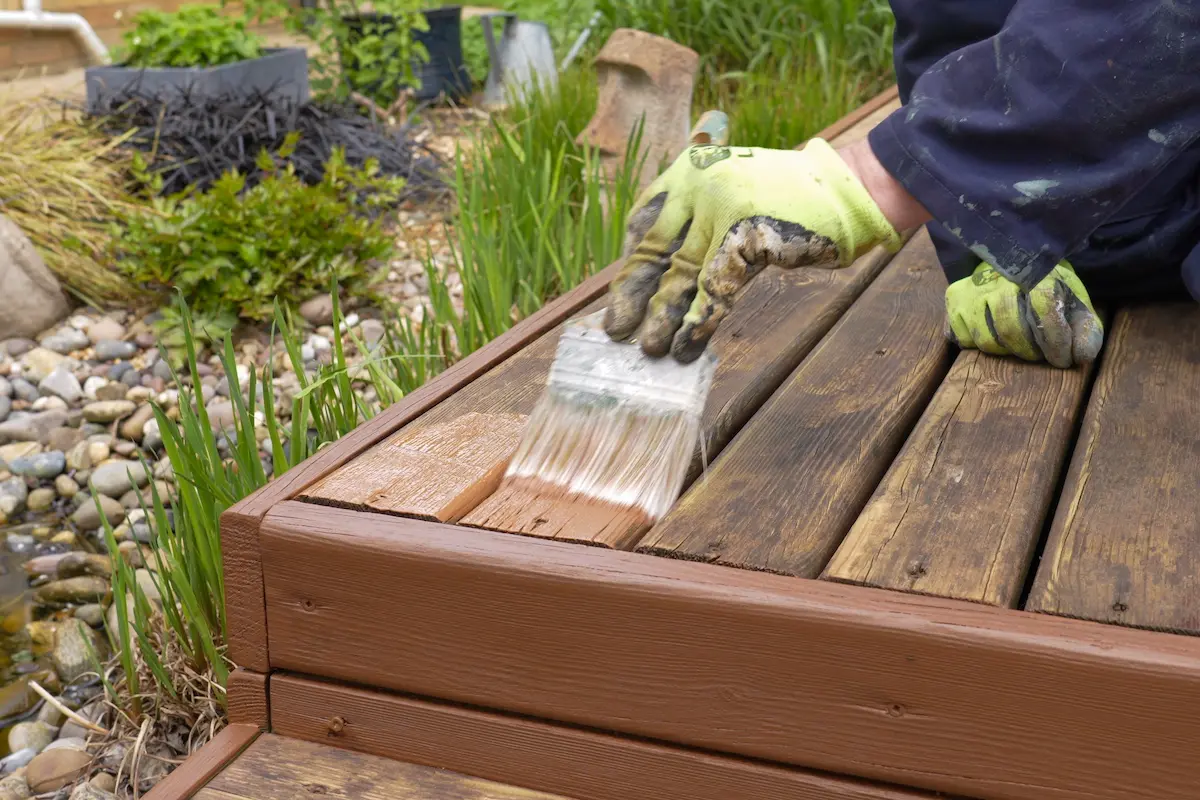
How to paint your decking
Transform your weathered decking into a stunning outdoor feature with our step-by-step expert guide. Read more
Which Decking Product Should I Use?
We explain the difference between oils, stains and paints. And when to use each one. Read more
View the full range of decking cleaners on Wood Finishes Direct.