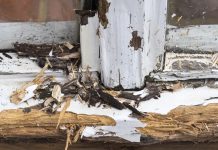

In this video, we test Barrettine Mould & Mildew Cleaner against Osmo Wood Reviver Power Gel on a weathered fence panel to show exactly how they perform.
If your decking, fencing or garden furniture is looking tired, this side-by-side comparison will help you choose the right product before applying oils, stains or paints.
What’s the difference between a wood cleaner & a wood reviver – and which one do you actually need to restore greyed out fences and other exterior wood?
It’s a common misconception: wood cleaner and wood reviver are often treated as the same thing. They’re not. While both play a role in restoring exterior wood, they do very different jobs and understanding that difference is key to getting the best results.
Where a Wood Reviver Comes In
A wood cleaner is designed to tackle surface-level problems. Its primary job is to remove organic growth and grime – things like mould, algae, and fungi that build up over time.
These cleaners typically contain:
• Biocides, which kill spores and prevent regrowth
• Surfactants, which lift dirt and contaminants so they can be rinsed away
After using a cleaner, your wood will be free from dirt and biological growth. But there’s a catch: even though it’s clean, it can still look dull, faded, and grey. That’s because cleaning doesn’t address weathering.
Where a Wood Reviver or Wood Restorer Comes In
A wood reviver does something completely different. Instead of just cleaning, it restores the appearance of the wood itself.
Most revivers use oxalic acid, a naturally derived compound that reacts with the greyed, weathered surface layer. This process breaks down that damaged layer and reveals the original colour of the wood beneath.
The result isn’t just cleaner wood—it’s wood that looks noticeably fresher and closer to new.
Cleaner vs Reviver: Side-by-Side
• Cleaner: Removes dirt and kills organic growth. We used
Barrettine Mould & Mildew Cleaner
• Reviver: Restores colour and resets the wood surface. We used
Osmo Wood Reviver Power Gel
They’re not interchangeable, they’re complementary.
Why It Matters
If you’re planning to apply an oil, stain, or paint, preparation is everything. Simply cleaning the wood might not be enough to achieve a high-quality finish. For the best results, you want wood that’s not only clean but also properly revived and ready to absorb the finish evenly.
The Right Order
For most projects, the process is straightforward:
1. Use a cleaner (if there’s dirt, mould or algae present)
2. Apply a reviver (if the fence or wood has turned grey)
3. Finish with your chosen oil, stain or paint. To keep your cleaned, restored wood protected and looking good for longer, we recommend
Osmo UV Protection Oil Extra
That’s it – simple, but effective.
See also the next video in this series: Which Fence Treatment Performs Best?