
In 2026, wood is no longer the background material quietly supporting a scheme. It’s the hero surface.
Across interiors, we’re seeing a decisive shift to restoring, enhancing and protecting rather than covering and concealing. Scroll through social feeds and you’ll notice it creeping in everywhere, from stripped-back tables, revived cabinetry, visible grain is proudly on show. The dominant mood isn’t about transformation through paint. It’s about revealing what’s already there.
Two clear movements are driving this change in wood finish trends:
– A move toward natural wood finishes and warmer tones
– A shift away from painted upcycling toward stained and oiled restoration
These trends reinforce each other and they’re reflected directly in the types of products customers are choosing.
Wood Colour Direction for 2026
Warm Natural Tones Lead
Cool grey-washed woods continue to decline. In their place, we’re seeing strong growth in:
– Natural oak
– Light to mid honey tones
– Warm blondes
– Refined walnut and mid browns
These colours sit effortlessly alongside 2026 paint trends, for example deep blues, plums, earthy greens, warm neutrals and greige. The contrast between saturated walls and authentic timber grain is especially powerful.
Patina and Age Are Desirable
Uniform colour is no longer the goal. In fact, customers are actively choosing finishes that allow:
– Visible grain
– Subtle colour variation
– Signs of age and character
This directly supports staining and oiling rather than opaque paint. The intention is not to mask timber, but to celebrate it.
Finish Direction: Matt and Ultra-Matt
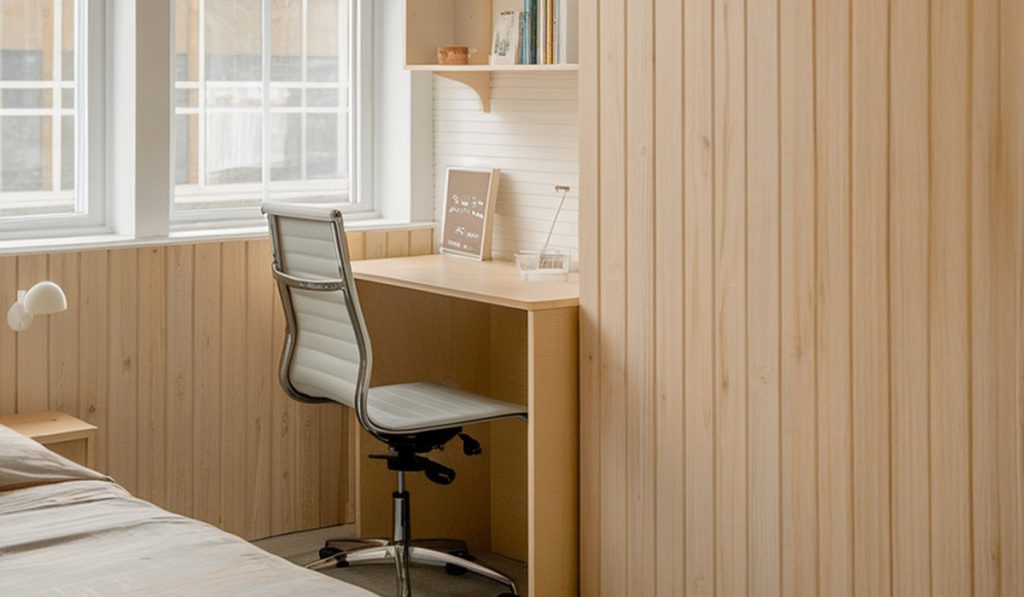
High gloss is increasingly niche. The preferred aesthetic is:
– Low sheen
– Soft matt
– Natural, tactile surfaces
This applies across floors, furniture, joinery and cabinetry.
Hard wax oils and natural oils fit this direction perfectly. They provide protection while keeping the surface visually calm and preserving the integrity of the material.
Brands such as
Osmo and
Fiddes offer matte, natural-looking finishes that enhance grain rather than disguise it.
Product Trends Driving the Shift
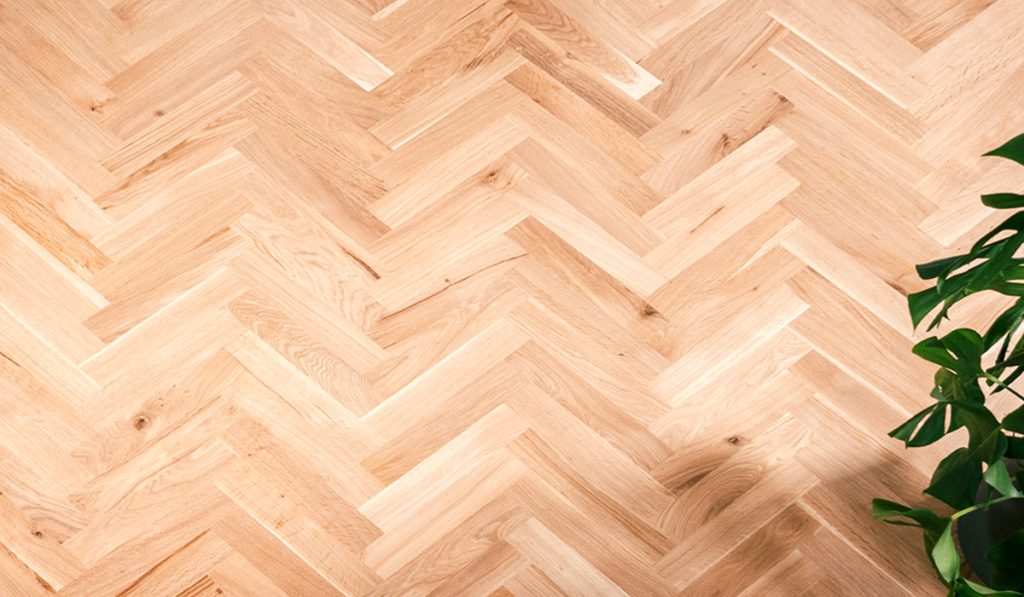
Water-Based Systems Continue to Grow
Water-based wood finishes are seeing the fastest growth, particularly where:
– Indoor air quality matters
– Low odour is important
– Speed and ease of use are priorities
This growth supports:
– Water-based stains
– Water-based floor finishes
– Water-based maintenance products
Water-based systems allow colour control without hiding grain, therefore making them ideal for customers stepping away from paint but still wanting tonal influence.
See
Ciranova and
Bona, particularly for water based, natural looking floor finishes and
Manns for their high quality, water-based wood stains and varnish.
Oil and Solvent-Based Systems Remain Essential
Oil-based finishes are not in decline. They’re being chosen intentionally for particular, often premium outcomes.
They dominate where customers want:
– Depth of colour
– Enhanced grain
– Repairability
– Long-term durability
Hard wax oils and traditional oil systems remain central to the 2026 wood trend aesthetic.
Liberon also plays a key role in bridging traditional restoration with modern interiors, offering dyes, oils and waxes that support aged character and furniture revival.
These systems directly enable the move away from painted upcycling.
Behaviour Shift: From Painted Upcycling to Restoration
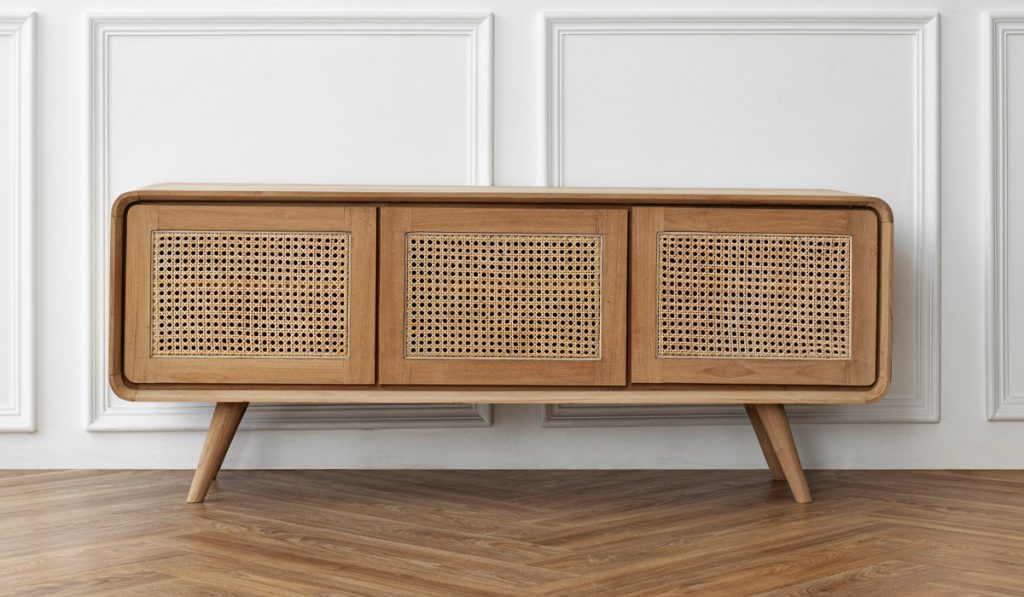
Painted Upcycling Loses Dominance
Painted furniture is no longer the default DIY makeover. It’s now one option among many.
Increasingly, customers are choosing to:
– Strip back old paint
– Reveal original timber
– Stain or oil to enhance rather than conceal
This reflects a broader cultural shift toward authenticity, sustainability and longevity.
Restoration Is Seen as Higher Value
Stained and oiled furniture is perceived as:
– More premium
– More timeless
– More sustainable
– More aligned with interior trends
Painted pieces feel trend-led, whereas restored wood feels investment-led.
How Wood Finish Trends Show Up in Real Homes
Living Spaces
– Restored oak and walnut furniture finished with oils
– Natural wood shelving set against deep, colour-drenched walls
– Visible grain providing contrast and warmth
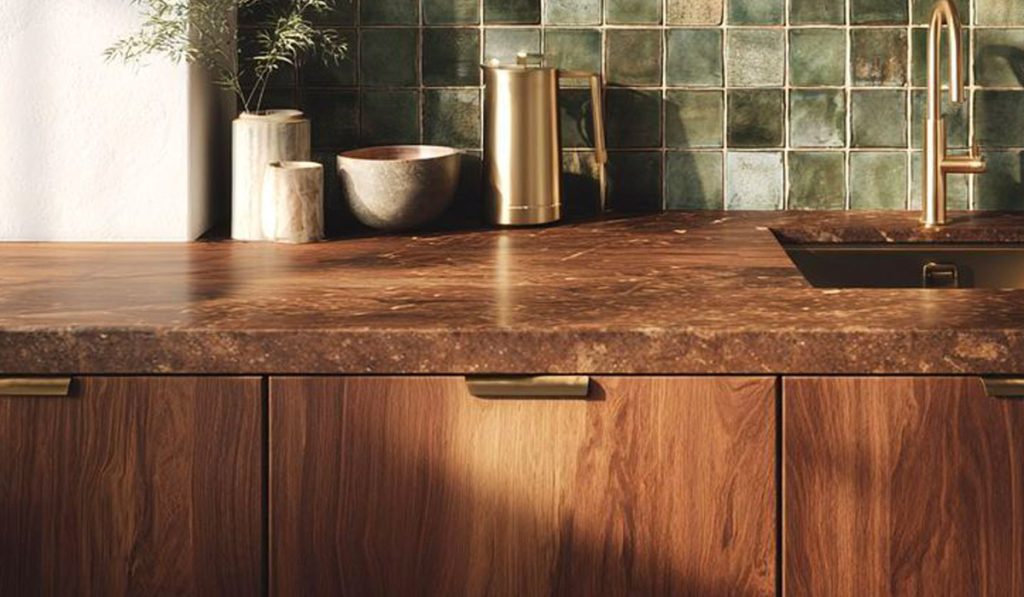
Dining and Kitchens
– Farmhouse tables protected with hard wax oil for durability
– Cabinetry in stained wood rather than painted fronts
– Wood textures paired with stone and brass
Bedrooms
– Antique wardrobes restored with oil and subtle stain
– Bed frames finished in matte natural tones
– Calm, tactile surfaces replacing painted statement pieces
Across all spaces, the emphasis is consistent, with material honesty over surface disguise.
How to Achieve Wood Finish Trends with our Range
Osmo
At the centre of the 2026 trend, Osmo bring natural-looking, matt finishes with repairable, long-life performance. Ideal for floors, furniture and worktops.
Ciranova
Specialising in high-performance finishes for interior and exterior timber. Water-based eco-friendly and perfect for a natural wood look.
Fiddes
A heritage woodcare brand, with hard wax oils and waxes that enhance patina and the tactile quality of wood.
Manns
Water-based stains in a range of colours which retain the rawness of the timber. Their product range includes a water-based varnish.
Liberon
Finishes for both traditional restorations and contemporary interiors. Dyes, oils and waxes that celebrate the character of wood.
Bona
Natural-looking water-based finishes and maintenance systems for both residential and commercial grade protection.
The 7 Key Takeaways for Wood Finish Trends 2026
Wood trends in 2026 are not about novelty finishes. They are about:
– Respecting the material
– Enhancing what already exists
– Choosing finishes that age well
The move toward stained and oiled restoration is supported by:
– Warm natural colour trends
– A clear preference for matte finishes
– Growth in water-based stain systems
– Continued trust in oil-based protection
In short: Wood Finish Trends 2026 are not about covering timber. It’s about bringing it back to life and letting it lead.